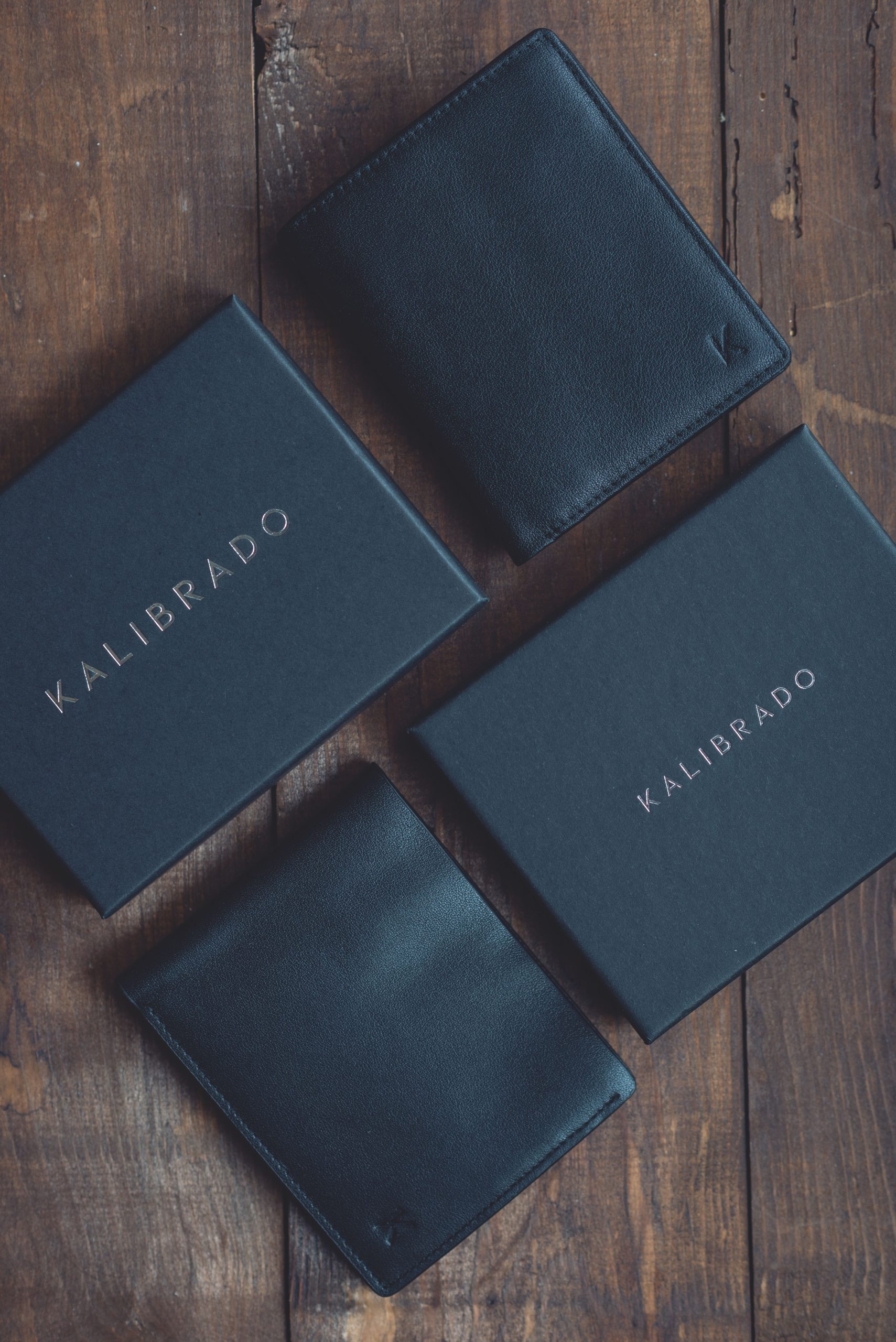
Full-grain leather is frequently described as the finest leather available. That can be true, but the term is also used rather casually in product descriptions.
Understanding what it genuinely means will help you judge wallets, belts, bags, boots and jackets more confidently—and avoid paying a premium for an impressive label attached to an ordinary product.
What Does Full-Grain Leather Mean?
The grain is the outer surface of the hide after the hair and epidermis have been removed.
The Leather Working Group defines full-grain leather as leather that has retained its entire grain, with none of the surface removed through corrective mechanical treatment. In straightforward terms, it has not been sanded or buffed to conceal natural variations. Leather Working Group terminology
This does not mean the leather is completely untreated. It will still have been tanned, coloured and finished according to its intended use. The important distinction is that the original grain surface remains.
Why Is Full-Grain Leather Valued?
It Retains Its Natural Character
Because the surface has not been mechanically corrected, variations in grain remain visible. Small marks, changes in texture and differences between individual hides are part of its appearance.
Some people appreciate this natural character. Others prefer the smoother, more consistent appearance of corrected leather. Neither preference is wrong.
It Can Be Highly Durable
The grain layer contains densely arranged fibres and can provide excellent resistance to everyday wear.
However, the words “full-grain” do not guarantee durability by themselves. The quality of the hide, tanning process, finish and construction of the finished product all matter.
A badly stitched full-grain wallet can still fail before a well-constructed wallet made from another suitable leather.
It Can Develop a Patina
Many full-grain leathers gradually darken, soften and develop a sheen through handling and use. This change is known as patina.
The effect depends on the type of leather and its finish. Some develop dramatic character, while heavily protected finishes may change much more slowly.
Patina should not be confused with damage. Deep cracking, peeling finishes and failed stitching are signs of deterioration rather than attractive ageing.
How Does It Compare With Other Leather?
Corrected-Grain Leather
Corrected-grain leather has had part of its grain surface removed through buffing or another mechanical process. A finish is then applied to create a more uniform appearance.
It may offer greater resistance to staining and require less maintenance than more natural-looking leather. Good corrected-grain leather can therefore be a sensible choice for frequently used items.
Split Leather
A thick hide can be divided into layers. The lower layer is known as a split.
Split leather can be used for suede or given a surface coating that creates a smoother appearance. It does not contain the original outer grain and should not be described as full-grain leather.
Bonded Leather
Bonded leather is made using leather fibres or fragments combined with binding materials.
Its appearance and durability vary considerably according to its composition. Check the manufacturer’s description carefully rather than assuming it will behave like a solid piece of leather.
“Genuine Leather”
“Genuine leather” tells you that leather is present, but it is not a dependable indication of exceptional quality.
Look beyond the phrase and find out what type of leather has been used, how it was finished and how the item was constructed.
Can You Identify Full-Grain Leather by Sight?
Not reliably.
Natural variations may suggest that the original surface remains, but manufacturers can also emboss artificial grain patterns into other leathers. Smell is equally unreliable because finishes and treatments affect the final aroma.
The most dependable approach is to buy from a manufacturer or retailer that clearly describes:
- The type of leather
- Where it was sourced or tanned
- The surface finish
- How the product was constructed
- What care it requires
Vague descriptions such as “luxury leather” or “premium hide” provide little useful information by themselves.
Construction Still Matters
When examining a wallet, belt or bag, consider the whole product rather than concentrating only on the leather.
Look for:
- Even, secure stitching
- Smoothly finished edges
- Strong attachment points
- Sensible reinforcement
- Hardware that feels secure
- A practical design that suits its intended use
- Clear care instructions
- A reasonable warranty or returns policy
Material and workmanship must support each other. Paying more for full-grain leather makes little sense if the zip, lining or stitching is likely to fail first.
Is Full-Grain Leather Worth the Cost?
It can be, particularly when you want an item that will be handled regularly and you enjoy the way natural leather changes with use.
A full-grain wallet, belt or bag from a capable maker may provide many years of service. Nevertheless, it should not be bought purely because the description sounds prestigious.
Ask whether:
- The item is properly constructed
- Its size and design suit your needs
- You are comfortable with natural variations
- You are willing to care for it appropriately
- The price reflects workmanship rather than branding alone
A well-made product using appropriate material is always preferable to a poorly made product carrying a fashionable leather term.
Caring for Full-Grain Leather
Always begin with the maker’s instructions because different finishes require different treatment.
As a general rule:
- Remove surface dust with a soft cloth
- Avoid prolonged exposure to water
- Let damp leather dry naturally away from direct heat
- Do not overfill wallets or bags
- Test any cleaning or conditioning product on a hidden area
- Use conditioner sparingly and only when appropriate
Too much conditioner can darken leather, soften it excessively or affect its finish. Routine restraint is often better than constant treatment.
The Mister Alley Verdict
Full-grain leather deserves its reputation when it is well selected, properly tanned and used in a carefully constructed product.
What it does not deserve is automatic praise simply because the term appears on a label.
Treat full-grain leather as one useful sign of quality—not the entire verdict. Examine the workmanship, consider how the item will be used and buy from a seller prepared to explain what you are paying for.
That approach will serve you far better than choosing by marketing language alone.
After updating it, link the words full-grain leather in the wallet guide to this article. In this article, link choosing a wallet back to the renovated wallet guide.